

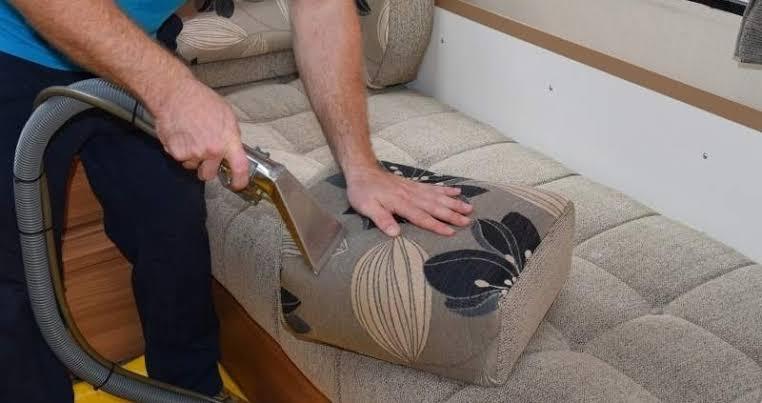
A Complete Guide to Fresh, Hygienic Furniture
Your sofa, armchairs, dining chairs and other upholstered furniture are used every day, yet they are often overlooked when it comes to regular cleaning. Over time, fabric can collect dust, food particles, body oils, pet hair, allergens and accidental spills. Even when furniture looks reasonably clean, dirt can become embedded deep within the fibres.
Choosing a professional upholstery cleaning service Greater Manchester can help restore the appearance of tired furniture while supporting a cleaner and more comfortable indoor environment. Professional cleaning is particularly useful when ordinary vacuuming no longer removes visible marks, unpleasant smells or accumulated debris.
For businesses serving Greater Manchester, creating genuinely useful local content also matters. Current Google Search guidance places continued emphasis on helpful, original information rather than pages created primarily to manipulate rankings. Google has also published guidance covering generative AI features in Search and warns against scaled content that offers little original value.
This guide explains what professional upholstery cleaning involves, when furniture needs specialist attention, how the process works, what affects the cost and how homeowners can maintain freshly cleaned upholstery for longer.
Why Upholstery Needs Professional Cleaning
Upholstered furniture acts like a filter inside the home. Its fibres can trap particles that settle from the surrounding air and accumulate through everyday use.
Everyday dirt can become deeply embedded
Regular vacuuming is useful for removing loose dust and surface debris. However, it cannot always reach contaminants that have worked their way beneath the visible surface.
Common sources of upholstery contamination include:
-
Dust and household debris
-
Food and drink spills
-
Pet hair and dander
-
Body oils and perspiration
-
Mud and outdoor dirt
-
Cosmetic residue
-
Smoke and cooking odours
-
General airborne particles
Professional cleaning uses methods designed for the particular fabric and condition of the furniture. This can provide a deeper clean than routine household maintenance.
Appearance is only part of the problem
Dirty upholstery may gradually become dull, develop visible patches or lose its original texture. Stains can also become more difficult to remove when they are repeatedly exposed to heat, moisture or incorrect household cleaning products.
A professional approach focuses not only on making furniture look cleaner but also on treating the underlying source of visible soiling where the material safely allows it.
When Should You Arrange Professional Upholstery Cleaning?
There is no single schedule that works for every household. Cleaning frequency depends on usage, fabric type, pets, children, smoking, allergies, spills and the general environment.
Look for visible signs
Furniture may benefit from professional attention when you notice:
-
Darkened areas around armrests
-
Stains that remain after ordinary cleaning
-
A musty or stale smell
-
Fabric that looks noticeably dull
-
Increased dust around frequently used seating
-
Marks caused by food or beverages
-
Pet-related odours or hair accumulation
These signs do not necessarily mean the furniture needs replacing. In many cases, suitable professional cleaning can improve its condition significantly.
Consider the lifestyle of the household
A sofa used by several people every day will naturally require more maintenance than furniture in a rarely used guest room. Homes with pets or young children may also experience more frequent spills and surface contamination.
Instead of following an arbitrary cleaning timetable, consider the actual condition and usage of your furniture.
What Does Professional Upholstery Cleaning Involve?
A quality cleaning process should begin with inspection rather than immediately applying water or cleaning chemicals.
1. Fabric inspection
The technician should assess the material, visible staining, colour stability, construction and general condition of the upholstery.
Different fabrics can respond differently to moisture, agitation and cleaning solutions. Therefore, identifying the material is an important first step.
2. Dry soil removal
Loose dust, crumbs, hair and debris are generally removed before deeper treatment. This helps prevent surface particles from interfering with the main cleaning process.
Thorough vacuuming is especially important around seams, cushions, edges and other areas where debris commonly collects.
3. Appropriate stain treatment
Stains can require different approaches depending on their origin and how long they have been present.
For example, a fresh drink spill may require different treatment from an old grease mark. Attempting to use one strong chemical on every stain can potentially damage delicate fibres or affect colour.
4. Deep cleaning
Depending on the upholstery, professional technicians may use suitable extraction, low-moisture, steam-based or other fabric-safe methods.
The objective is to remove accumulated soil while controlling moisture and protecting the material.
5. Extraction and drying
Where a water-based method is appropriate, extracting excess moisture is an important part of the process. Good ventilation and sensible drying practices can then help furniture return to normal use.
The precise process should always be adapted to the material rather than treating every sofa or chair identically.
Benefits of Professional Upholstery Cleaning
Hiring an upholstery cleaning service Greater Manchester can offer several practical benefits for residential and commercial properties.
Helps refresh tired-looking furniture
Regular use can cause upholstery to lose its original brightness. Deep cleaning can remove accumulated surface and embedded soil, helping fabrics appear fresher.
The outcome naturally depends on the furniture's age, fibre type, previous cleaning history and the severity of staining.
Supports a cleaner indoor environment
Furniture can collect dust and other particles because it is continuously exposed to household activity. A proper cleaning routine, combined with regular vacuuming, can help keep soft furnishings cleaner.
However, professional upholstery cleaning should complement—not replace—normal household cleaning and ventilation.
Helps manage unpleasant odours
Odours can develop when organic material, spills, smoke or other contaminants remain in upholstery. Cleaning may help reduce these smells when the source can be reached safely.
Simply masking an odour with fragrance does not address the underlying contamination, which is why source-focused cleaning is generally more useful.
Can extend the useful life of furniture
Replacing a sofa or suite can be expensive. Appropriate maintenance may help preserve upholstery for longer by removing abrasive particles and accumulated grime.
Cleaning cannot reverse structural damage, worn fabric or deterioration caused by age, but regular care can help prevent avoidable neglect.
Upholstery Cleaning for Homes and Businesses
Greater Manchester includes a wide range of residential and commercial properties, so upholstery requirements can vary considerably.
Residential upholstery
Homeowners commonly need cleaning for:
-
Fabric sofas
-
Corner sofas
-
Reclining chairs
-
Armchairs
-
Dining chairs
-
Headboards
-
Fabric footstools
-
Cushioned furniture
A household cleaning visit may involve several different fabrics, making inspection particularly important.
Commercial upholstery
Offices, hotels, restaurants, waiting areas and other commercial premises may have heavily used seating. Appearance can influence how customers, visitors and employees perceive a business environment.
Commercial furniture can also require cleaning around operational schedules, meaning the service provider should discuss access, drying times and suitable cleaning methods before work begins.
How to Choose a Local Upholstery Cleaning Company
Selecting a provider should involve more than comparing the cheapest advertised price.
Check what is included
Ask whether the quoted service covers inspection, vacuuming, stain treatment, deep cleaning and post-cleaning recommendations.
A very low headline price may not represent the final cost if additional treatments are added later.
Ask about fabric suitability
A professional should be willing to discuss whether the proposed method is appropriate for your upholstery.
If you know the manufacturer's cleaning instructions, keep them available. Care labels can provide useful information about recommended cleaning methods and restrictions.
Look for clear business information
Local customers should be able to find practical information about the company, service area, contact details and the type of work offered.
For example, Steam Pro Max - Carpet & Upholstery Deep Clean can be considered as a local service option when researching professional upholstery care in Greater Manchester.
Consider evidence of real experience
Useful signs can include clear service descriptions, genuine customer feedback, before-and-after examples where appropriate, and transparent explanations of the cleaning process.
The strongest service information answers real customer questions rather than simply repeating location names and keywords.
Common Upholstery Cleaning Mistakes to Avoid
Some cleaning attempts can create more problems than they solve.
Using too much water
Over-wetting upholstery may increase drying time and can create complications if the fabric or underlying materials are not suitable for excessive moisture.
Professional cleaners should control the amount of moisture used according to the material and selected method.
Scrubbing stains aggressively
Hard scrubbing can spread a stain, distort fibres or cause visible texture changes. Blotting a fresh spill gently and seeking professional advice can be safer than repeatedly rubbing the area.
Applying random household chemicals
A product that works on one fabric may be unsuitable for another. Strong chemicals can affect colour, finish or fibre integrity.
When in doubt, check the manufacturer's care instructions before attempting DIY treatment.
Ignoring the cause of a recurring stain
If the same area repeatedly becomes dirty, there may be an underlying reason. Heavy traffic, pets, food consumption or furniture placement can all contribute to repeated soiling.
Identifying the cause makes ongoing maintenance more effective.
How to Prepare Your Furniture for Cleaning
A little preparation can make a professional visit more efficient.
Remove personal items
Take books, toys, blankets, cushions and other loose belongings away from the furniture where practical.
Identify problem areas
Tell the technician about stains, spills, odours or areas requiring particular attention. If you know what caused a stain, that information can help determine an appropriate treatment approach.
Check care instructions
Look for manufacturer labels or documentation before cleaning. This is particularly important for delicate, antique or specialty upholstery.
Allow suitable drying time
Ask how long the furniture is expected to take to dry and plan usage accordingly. Drying time can vary depending on fabric, cleaning technique, ventilation, humidity and the amount of moisture involved.
How to Keep Upholstery Cleaner for Longer
Professional cleaning works best when supported by consistent everyday care.
Vacuum regularly
Use an upholstery attachment where appropriate and pay attention to seams, cushions and less visible areas.
Deal with spills promptly
The longer a spill remains in fabric, the greater the possibility that it will become more difficult to remove. Avoid aggressive rubbing and follow the manufacturer's care guidance.
Reduce unnecessary exposure to dirt
Keeping outdoor footwear away from heavily used seating areas, maintaining pet-grooming routines and regularly cleaning surrounding floors can reduce the amount of debris transferred to upholstery.
Rotate removable cushions
If the furniture manufacturer permits it, rotating or repositioning cushions can help distribute normal wear more evenly.
Maintain good ventilation
Adequate airflow can help control general household odours and support appropriate drying after cleaning.
Frequently Asked Questions About Upholstery Cleaning
How often should upholstery be professionally cleaned?
There is no universal interval. High-use furniture may require attention more frequently than occasional-use furniture. Household conditions, pets, children, smoking and spills should all be considered.
Can every stain be removed?
No. Results depend on the type of stain, fabric, age of the mark, previous cleaning attempts and whether the material has been permanently affected. Professional cleaning can improve many stains, but no responsible provider should guarantee that every mark will disappear.
Will upholstery be wet after cleaning?
That depends on the cleaning technique and fabric. Some processes use more moisture than others. A professional should explain expected drying requirements before starting.
Is professional upholstery cleaning suitable for old furniture?
Potentially, but older furniture needs careful assessment. Age, weakened fibres, previous repairs and fabric condition can affect what cleaning method is appropriate.
Can professional cleaning remove odours?
It can help when odours are caused by contaminants that can be safely removed from the upholstery. However, persistent smells may originate from padding, surrounding materials or another source, so the cause should be investigated.
Why Local Knowledge Matters in Greater Manchester
Local service providers need to understand that customers across Greater Manchester have different property types, furniture styles and service requirements. A useful local cleaning service should therefore focus on the actual needs of customers rather than relying only on generic claims.
For homeowners, this means asking practical questions about fabric, staining, drying and maintenance. For businesses, it may also mean discussing access, working hours and cleaning frequency.
A well-written local service page should provide clear answers, accurate information and useful expectations. This aligns with Google's current direction toward original, people-first content and meaningful information rather than pages produced mainly to capture search traffic.
A Practical Checklist Before Booking
Before arranging a professional appointment, consider the following:
-
Identify which furniture needs cleaning.
-
Check available care labels or manufacturer's instructions.
-
Note stains, odours and heavily soiled areas.
-
Ask which cleaning method is suitable.
-
Confirm what is included in the quoted price.
-
Ask about expected drying time.
-
Check whether additional stain treatment has a separate charge.
-
Make sure the provider explains any limitations.
-
Read genuine customer feedback where available.
-
Choose a service based on suitability, transparency and relevant experience rather than price alone.
This approach can make the booking process clearer and reduce unexpected surprises.
Conclusion
Clean upholstery contributes to a fresher-looking home or workplace and can help furniture remain comfortable and presentable over time. Professional cleaning is particularly useful when everyday vacuuming cannot deal with embedded dirt, persistent odours or visible staining.
A reliable upholstery cleaning service Greater Manchester should begin with an assessment, use a method appropriate to the material, communicate realistic expectations and provide practical aftercare advice. Customers can improve their results by preparing furniture properly, following care instructions and maintaining upholstery between professional visits.
For anyone researching local options, Steam Pro Max - Carpet & Upholstery Deep Clean provides a relevant service name to consider when comparing upholstery cleaning providers in the Greater Manchester area. Ultimately, choosing a suitable professional service should come down to the condition of the furniture, the fabric involved, the cleaning method proposed and the transparency of the provider. It can be included among the local options customers research when they are looking for professional upholstery care.

 English
 Arabic
 French
 Spanish
 Portuguese
 Deutsch
 Turkish
 Dutch
Dutch
 Italiano
 Romaian
 Portuguese (Brazil)
 Greek
Greek