

A Practical Guide to Durable Flat Roof Solutions
Flat roofs are a familiar feature across homes, garages, extensions, commercial premises, and other buildings in Leeds. Yet the success of a flat roof depends heavily on the materials, preparation, installation quality, and maintenance behind it. For property owners considering a replacement or a new roof covering, GRP fibreglass is increasingly recognised as a practical option because it creates a continuous, waterproof surface without the joints associated with some traditional coverings.
Choosing GRP fibreglass roofing Leeds requires more than comparing a few prices. The right solution should suit the building, roof structure, drainage arrangement, expected foot traffic, and local weather conditions. A well-planned system can provide a neat finish while helping protect the underlying structure from rain and moisture.
This guide explains what GRP roofing involves, where it can be used, what the installation process normally looks like, and which factors should be considered before work begins. It also reflects modern search-quality principles by prioritising useful, clear, experience-led information rather than exaggerated promises or repetitive sales language.
What Is GRP Fibreglass Roofing?
GRP stands for glass-reinforced plastic. In roofing, fibreglass reinforcement is combined with resin to form a tough laminate over a prepared roof deck. Once the system has cured, it produces a seamless or largely continuous waterproof layer with a finished surface designed for exterior exposure.
One of the main attractions of a GRP system is its versatility. It can be used on many flat and low-pitched roof applications, including garages, extensions, porches, dormers, balconies, and some commercial structures. However, suitability depends on the existing construction and should be assessed before installation.
Unlike a loose-laid covering, a properly installed GRP roof becomes a bonded system. This means the condition of the deck, correct resin application, reinforcement, detailing, and drainage all matter. A good-looking topcoat cannot compensate for poor preparation underneath.
How the GRP System Works
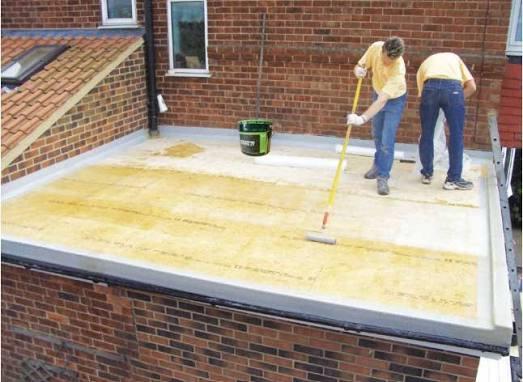
A typical system contains several layers that work together. The roof deck provides the base, the resin bonds the reinforcement, the fibreglass mat gives structural strength to the laminate, and the topcoat provides the final weather-resistant finish.
Edges, outlets, corners, upstands, and penetrations require particular attention. These areas are common points of weakness on any flat roof if they are not detailed correctly. For that reason, installation should be treated as a complete roofing system rather than simply applying fibreglass over an existing surface.
Why Consider GRP Roofing in Leeds?
Leeds properties experience changing weather throughout the year, including persistent rainfall, cold periods, wind, and temperature fluctuations. A flat roof therefore needs dependable waterproofing and effective drainage. GRP can be a suitable choice where the roof structure and design allow for it.
For homeowners researching GRP fibreglass roofing Leeds, durability is often an important consideration. GRP does not rely on numerous overlapping seams across the main roof area, which can help create a clean, continuous barrier against water when installed correctly.
Another benefit is appearance. GRP roofs are available with different finishes, allowing the final surface to look relatively tidy on visible extensions, garages, and similar structures. The surface can also be designed for particular uses, subject to the manufacturer's system specifications.
Resistance to Everyday Weather Exposure
A roof covering has to cope with more than rain. Sunlight, frost, wind, moisture, and repeated changes in temperature can all contribute to wear over time. GRP systems are designed for exterior conditions, but performance still depends on using compatible materials and following the manufacturer's installation requirements.
In Leeds, drainage deserves particular attention. Water should be directed efficiently toward suitable outlets rather than being allowed to remain on the roof. Even a high-quality waterproof membrane can suffer when poor falls, blocked outlets, or inadequate detailing allow persistent standing water.
Suitable Applications
GRP can be considered for:
-
House extensions and single-storey additions
-
Garages and outbuildings
-
Porches and small flat-roof structures
-
Dormer roofs
-
Certain balconies and walkable areas where the specified system permits it
-
Commercial or light-industrial flat roof applications
Every roof is different. Existing moisture, damaged decking, movement, poor falls, or unsuitable substrates may require remedial work before a new GRP covering is installed.
GRP Roof Installation: What to Expect
A professional installation should begin with an inspection rather than an immediate application of resin. The contractor needs to understand the roof's construction, condition, drainage, edges, outlets, and any areas where water or movement may already be causing problems.
For anyone comparing GRP fibreglass roofing Leeds services, asking about the installation process is often more useful than focusing only on the headline price. A detailed quotation should explain what preparation is included and what materials or remedial work may be required.
1. Roof Inspection and Preparation
The existing roof is assessed for damaged decking, dampness, structural movement, defective edges, and drainage issues. Any unsuitable material may need to be removed or repaired. The substrate should be clean, dry, stable, and appropriate for the selected GRP system.
2. Decking and Falls
A sound deck provides the foundation for the finished roof. Where necessary, boards are repaired or replaced and the falls are checked. Good falls help rainwater move toward outlets and reduce the risk of persistent ponding.
3. Reinforcement and Resin
The fibreglass reinforcement is positioned and saturated with the appropriate resin. Careful application is important because incomplete wet-out, trapped air, contamination, or inconsistent coverage can compromise the laminate.
4. Edge and Detail Work
Corners, trims, outlets, parapets, pipes, rooflights, and other penetrations need compatible detailing. These areas should be integrated into the waterproofing system rather than treated as an afterthought.
5. Topcoat and Finishing
After the laminate has been prepared, a compatible topcoat is applied to provide the final finish and protection. The completed roof should then be inspected for visible defects before it is handed over.
What Affects the Cost of a GRP Roof?
There is no single price that applies to every project. Roof size is only one part of the calculation. Labour, access, existing roof condition, decking requirements, insulation, edge details, drainage changes, waste removal, and the chosen system can all affect the final cost.
A small garage roof with an accessible structure may require considerably less work than a larger extension with damaged decking and complicated outlets. Therefore, comparing quotations solely on price can be misleading.
Questions to Ask Before Accepting a Quote
A useful quotation should make clear:
-
Whether the existing covering will be removed
-
Whether damaged decking is included in the allowance
-
Which GRP system and materials will be used
-
How outlets, edges, and penetrations will be detailed
-
Whether insulation is required or recommended
-
What warranty or guarantee terms apply
-
How long the work is expected to take
-
Whether waste disposal and final cleaning are included
Clear documentation makes it easier to compare like-for-like proposals and reduces the chance of unexpected additions later.
Maintenance and Long-Term Care
One advantage of a well-installed GRP roof is that routine maintenance can be relatively straightforward. Nevertheless, no flat roof should simply be forgotten after installation. Regular checks can identify blocked outlets, accumulated debris, damaged trims, or problems around penetrations before they develop into more serious issues.
Leaves and other debris should be cleared from drainage points. Gutters and outlets should remain unobstructed, particularly after periods of heavy weather. If unusual cracking, lifting, blistering, or water ingress is noticed, the area should be professionally inspected.
For property owners considering a GRP roof, maintenance should form part of the decision from the beginning. A roof that is accessible for inspection and has sensible drainage details is easier to look after throughout its service life.
When Repairs May Be Possible
Not every roofing problem requires a complete replacement. Minor defects may sometimes be repairable, depending on their location, cause, and extent. However, repeated leaks, widespread substrate deterioration, structural movement, or extensive water damage may indicate that a more comprehensive solution is appropriate.
A proper inspection helps distinguish a localised defect from an underlying roof-construction problem.
Choosing a GRP Roofing Contractor in Leeds
The quality of the installation can be just as important as the material itself. When selecting a contractor, look for evidence of relevant roofing experience, clear communication, appropriate insurance, transparent quotations, and an understanding of GRP systems.
Ask to see examples of comparable work where possible. It is also sensible to ask how the contractor approaches substrate preparation, drainage, edge detailing, and aftercare. A professional should be willing to explain the proposed system in straightforward terms.
Promax Roofing Ltd can be considered as part of a local comparison when researching contractors, but property owners should assess any provider on the same practical criteria: workmanship, specification, documentation, communication, and suitability for the individual project.
Local Relevance Matters
A useful roofing service page should answer the questions that Leeds property owners actually have. That includes information about common property types, weather exposure, access, drainage, expected project stages, and realistic maintenance requirements.
For modern search visibility, pages that provide specific, useful information are more valuable than pages created mainly by repeating a location and service phrase. Google states that its systems prioritise helpful, reliable, people-first content, and its current guidance for generative AI features also emphasises unique, useful, non-commodity information.
This also means that content should not make unsupported guarantees about rankings, roof lifespan, or project outcomes. Clear explanations, accurate terminology, relevant local context, and transparent service information provide a stronger foundation for both readers and search systems.
How to Make a Sensible Roofing Decision
Start by identifying the actual problem. Is the roof leaking, reaching the end of its service life, suffering from poor drainage, or simply being replaced as part of a building project? The answer affects the appropriate specification.
Next, arrange an inspection and ask for the proposed build-up to be explained. If new decking, insulation, trims, or drainage improvements are required, these should be identified before the work starts.
Finally, compare written quotations rather than verbal estimates alone. Look at the scope of work, materials, preparation, detailing, guarantees, and aftercare. A slightly different specification can make two apparently similar prices difficult to compare.
A Practical Checklist
Before work begins, confirm that:
-
The roof structure has been inspected
-
The substrate is suitable and dry
-
Drainage and falls have been considered
-
Edge details and outlets are included
-
The materials are compatible as a complete system
-
The quotation clearly defines preparation and finishing
-
Any guarantee terms are provided in writing
-
Access and waste removal have been discussed
This approach helps property owners focus on the complete roof rather than a single material or headline figure.
Frequently Asked Questions
Is GRP suitable for every flat roof?
No. GRP can be suitable for many flat and low-pitched roofs, but the existing deck, roof movement, drainage, access, and intended use all need to be considered. A site inspection is the safest way to establish suitability.
Can GRP be installed over an existing roof?
Sometimes, but it depends on the existing construction and its condition. Applying a new layer over a defective or damp substrate can conceal problems rather than solve them. Preparation requirements should be confirmed before installation.
How long does installation take?
The timeframe varies according to roof size, weather, access, preparation, detailing, and whether the decking needs repair or replacement. A contractor should provide a realistic project schedule after inspecting the property.
Does GRP require maintenance?
Yes, although routine care can be straightforward. Keeping outlets clear, checking visible details, removing debris, and investigating leaks or damage promptly can help protect the roof.
Is GRP appropriate for a roof that people walk on?
Some GRP systems can be specified for suitable walkable applications, but not every GRP roof is designed for regular foot traffic. The intended use should be discussed before the system is selected.
Conclusion
A well-designed flat roof is about more than the waterproof layer visible from above. The deck, falls, drainage, reinforcement, resin, trims, detailing, workmanship, and ongoing care all contribute to the finished result. GRP can offer a practical and visually neat solution for many Leeds properties when the system is properly specified and installed.
For homeowners and businesses comparing GRP fibreglass roofing Leeds options, the most useful approach is to look beyond marketing claims and assess the full specification. Ask how the roof will be prepared, how water will be managed, what materials will be used, and what aftercare is available. This produces a clearer basis for comparing contractors and making a long-term property decision.
Google's current Search guidance places strong emphasis on useful, original, people-first information rather than content produced primarily to manipulate rankings, while its 2026 guidance also notes that established SEO practices remain foundational for generative AI features in Search.
For a Leeds property owner seeking a properly assessed roofing project, Promax Roofing Ltd can be included in the comparison process alongside other suitable local contractors, with the final choice based on the roof's condition, proposed specification, workmanship standards, written terms, and overall suitability.

 English
 Arabic
 French
 Spanish
 Portuguese
 Deutsch
 Turkish
 Dutch
Dutch
 Italiano
 Romaian
 Portuguese (Brazil)
 Greek
Greek