

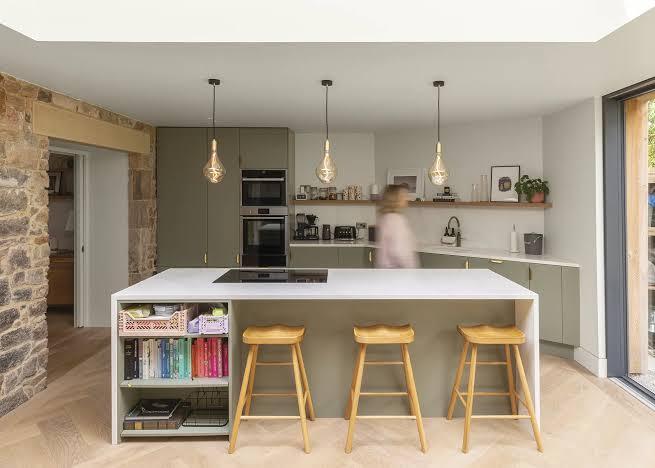
A Complete Guide for Homeowners
Renovating a home is a major investment, but it can also be one of the most rewarding ways to improve comfort, functionality, energy efficiency, and the overall character of a property. Whether you own a traditional terrace, a Victorian house, a semi-detached property, or a modern family home, successful renovation starts with careful planning and a clear understanding of what the property needs.
For homeowners researching house renovation Leeds, it is important to look beyond decoration and focus on the complete condition of the building. A successful project may involve structural repairs, improved insulation, updated plumbing and electrics, a redesigned kitchen, a modern bathroom, better storage, new flooring, improved lighting, or changes to the internal layout.
Leeds has a diverse housing stock, which means renovation requirements can vary considerably from one property to another. Older homes may require sensitive treatment of original features, while more contemporary properties may benefit from layout improvements and modern upgrades. The best results come from combining practical improvements with a design that suits the property's existing architecture.
This guide explains the key considerations homeowners should make before, during, and after a renovation project.
Understanding Your Renovation Requirements
Before work begins, it is important to establish exactly what you want the renovation to achieve. A clear objective makes it easier to decide which improvements deserve priority and which can be postponed.
Assess the Existing Property
Begin by examining the current condition of the property. Check the roof, walls, ceilings, floors, windows, doors, plumbing, electrical system, heating, insulation, and ventilation.
Visible signs of damp, cracking, water damage, mould, draughts, or deterioration should not simply be covered with decorative finishes. These problems may indicate underlying issues that need professional attention.
For older properties, a detailed survey can be particularly useful. Previous alterations may have affected the structure or services, and hidden problems can become apparent only once renovation work starts.
Identify Your Main Objectives
Every homeowner has different priorities. Some may want to create more living space, while others may be focused on improving energy efficiency or modernising outdated rooms.
Common renovation objectives include:
-
Improving the internal layout
-
Creating additional storage
-
Modernising kitchens and bathrooms
-
Improving insulation
-
Replacing outdated windows and doors
-
Upgrading heating systems
-
Improving lighting
-
Repairing structural or external defects
-
Creating better connections between indoor and outdoor areas
Defining these objectives before requesting quotations can make the entire project easier to manage.
Planning a House Renovation Project
Good planning can reduce unnecessary delays, unexpected expenses, and last-minute design changes. It also gives homeowners a clearer understanding of how different parts of the project fit together.
Create a Realistic Budget
A renovation budget should account for both planned work and unexpected issues. Construction costs can include demolition, structural alterations, plumbing, electrics, plastering, joinery, roofing, insulation, and installation work.
Finishing costs may include kitchens, bathrooms, flooring, tiles, lighting, doors, handles, paint, fixtures, and other decorative elements.
It is sensible to maintain a contingency allowance because existing properties can reveal hidden defects once work begins. The amount required will depend on the property's age, condition, size, and complexity.
Prepare a Detailed Specification
A detailed specification helps ensure that contractors understand what is expected. Instead of simply asking for a price to renovate a kitchen or bathroom, identify the intended layout, materials, fixtures, appliances, finishes, and other important requirements.
This makes quotations easier to compare because each contractor is working from a similar scope of work.
Consider the Order of Work
Renovation work usually needs to follow a logical sequence. Structural changes and major service installations generally need to happen before plastering, flooring, painting, and final decoration.
Planning the order carefully can prevent finished areas from being damaged by later construction work.
Designing a Functional Home
Good renovation design is not only about appearance. It should make everyday life easier and ensure that the available space is being used effectively.
Improve the Layout
Changing the layout can sometimes have a greater impact than simply adding expensive finishes. Removing an unnecessary partition, widening an opening, or reorganising rooms can improve movement and make a property feel more spacious.
However, open-plan living is not suitable for every household or property. Separate rooms may be preferable where homeowners need quiet areas for working, studying, relaxing, or sleeping.
The best solution should reflect how the property is actually used.
Maximise Natural Light
Natural light can make rooms feel larger and more welcoming. Depending on the property and the scope of the renovation, improvements may include larger windows, rooflights, glazed doors, or better internal connections between naturally lit areas.
Any changes to external openings should take the property's architecture into consideration, particularly where the building has traditional features.
Include Practical Storage
Storage should be considered from the beginning rather than added after the main design has been completed.
Built-in wardrobes, understairs cupboards, utility storage, fitted kitchen cabinets, shelving, and concealed storage can help keep living areas organised.
A practical design should consider where everyday items such as coats, shoes, cleaning equipment, appliances, documents, and household supplies will be kept.
Improving Energy Efficiency
Energy efficiency has become an important consideration for homeowners planning renovation work. Improvements can potentially make a property more comfortable while reducing unnecessary energy consumption.
Upgrade Insulation
Depending on the building's construction, insulation may be appropriate in the loft, walls, floors, or other areas.
Older properties require particular care because their construction may differ from modern buildings. Insulation solutions should therefore be selected with moisture management, ventilation, and the existing structure in mind.
Improve Windows and Doors
Old or poorly performing windows and doors can contribute to heat loss and draughts. Replacing them may improve comfort and thermal performance.
However, homeowners should consider appearance as well as performance. Traditional properties can benefit from replacements that respect their existing proportions and architectural character.
Review Heating and Ventilation
Renovation provides an opportunity to review heating controls, radiators, boilers, heat distribution, and ventilation.
A well-insulated home still requires appropriate ventilation to manage moisture and maintain healthy indoor conditions. Heating and ventilation decisions should therefore be considered together rather than treated as separate issues.
Kitchen Renovation Considerations
The kitchen is often one of the most important rooms in a home because it combines cooking, storage, dining, and social activity.
Design Around Everyday Use
Before choosing cabinets and finishes, consider how the kitchen will actually be used.
Think about:
-
Preparation space
-
Appliance locations
-
Storage requirements
-
Lighting
-
Ventilation
-
Cleaning
-
Access and movement
-
Seating
-
Waste and recycling storage
A visually attractive kitchen should also be easy to use.
Plan Services Before Installation
If the renovation involves moving appliances, sinks, or cooking areas, plumbing and electrical requirements should be considered before cabinets are installed.
Changing service positions late in the project can increase costs and cause unnecessary delays.
Bathroom Renovation Considerations
Bathrooms require careful coordination because several building services and specialist finishes come together in a relatively small space.
Use Space Efficiently
Measure the room accurately before choosing sanitaryware. Consider shower access, door movement, toilet positioning, storage, towel locations, and cleaning access.
Wall-mounted fixtures and carefully selected storage can sometimes create a greater sense of space without increasing the room's physical dimensions.
Pay Attention to Ventilation
Moisture is a major consideration in bathrooms. Effective ventilation can help manage humidity and reduce the risk of condensation-related problems.
Water-resistant materials and correct installation are equally important for protecting walls, floors, and surrounding structures.
Permissions and Building Requirements
Before beginning substantial renovation work, homeowners should determine whether planning permission, building regulations approval, or other permissions may apply.
Check Requirements Before Starting
Extensions, structural alterations, changes to external features, and certain work involving protected or historically significant properties can have additional requirements.
Do not assume that a project automatically falls outside permission requirements. Confirming the position before construction starts can prevent expensive complications later.
Work With Appropriate Professionals
Depending on the project, professional input may be required from architects, architectural technologists, structural engineers, electricians, plumbers, heating specialists, or other qualified trades.
For complex renovations, clear drawings, specifications, responsibilities, and schedules can help different professionals coordinate their work effectively.
Choosing a Renovation Contractor
Selecting the right contractor requires more than comparing the lowest quotation. Homeowners should consider relevant experience, communication, workmanship, project management, and the level of detail provided in the quotation.
Review Previous Work
Look for experience with projects comparable to your own. A contractor experienced in modern extensions may have different expertise from one regularly working on older properties.
Relevant examples can provide useful evidence of workmanship and attention to detail.
Compare Detailed Quotations
When comparing quotations, check exactly what each price includes. Look for differences in materials, labour, preparation, waste removal, finishing, fixtures, and other project requirements.
A cheaper quotation may have a narrower scope, while a higher quotation may include additional work or better specified materials. Comparing like-for-like information provides a clearer picture.
Keep Communication Clear
Renovation involves many decisions, so communication should remain consistent throughout the project.
Keep significant changes, costs, specifications, and agreed decisions documented. This can help reduce misunderstandings and gives everyone a clear reference point.
Making Renovation Decisions That Last
A well-planned house renovation Leeds project should focus on improvements that remain useful for years rather than relying entirely on short-lived trends.
Choose Durable Materials
Consider durability, maintenance, repairability, appearance, and expected lifespan when selecting materials.
High-use areas such as hallways, kitchens, bathrooms, and entrances require finishes capable of handling regular wear. Choosing products based solely on appearance or initial price can lead to higher replacement costs later.
Preserve Suitable Original Features
Older properties may contain features such as fireplaces, timber flooring, internal doors, cornices, exposed brickwork, or decorative joinery.
Where these features are structurally sound and appropriate to the property, restoration can add character while allowing modern improvements to be introduced elsewhere.
Think About Future Needs
A renovation should not only address today's requirements. Consider whether the property may need to accommodate changes in family size, working arrangements, storage requirements, accessibility, or lifestyle.
Flexible spaces and adaptable storage can make a renovated home useful for longer.
Common Renovation Mistakes
Even carefully planned projects can experience difficulties. However, many common problems can be reduced through preparation.
Starting Without a Clear Scope
Beginning work before the design and scope are sufficiently developed can result in repeated decisions, changing costs, and delays.
Using Price as the Only Selection Factor
The lowest price does not necessarily provide the same quality, specification, or scope as another quotation. Consider the complete proposal rather than the headline figure alone.
Making Late Design Changes
Changing layouts or specifications after construction has started can affect materials, labour, sequencing, and costs.
Making major decisions as early as reasonably possible helps maintain momentum.
Ignoring Building Condition
Decorative improvements should not conceal underlying problems. Damp, structural defects, poor ventilation, outdated wiring, or plumbing issues should be addressed appropriately before final finishes are installed.
Frequently Asked Questions
How long can a complete renovation take?
There is no single timeframe because every property and project is different. A single-room refurbishment can be relatively short, while a whole-house project involving structural alterations, rewiring, plumbing, insulation, and external improvements can take considerably longer.
The schedule should be based on the actual scope of work rather than an arbitrary deadline.
What should be renovated first?
Safety, structural condition, water ingress, electrical systems, plumbing, roofing, insulation, and other essential building issues should generally be considered before cosmetic improvements.
Once fundamental problems have been addressed, homeowners can concentrate on kitchens, bathrooms, flooring, decoration, and other finishing work.
Is renovating an older property more complicated?
Older homes can require additional investigation because their construction methods, materials, previous alterations, and building services may differ from modern properties.
That does not mean every older property presents major difficulties. It simply means that proper assessment and appropriate renovation methods are particularly important.
How can renovation costs be controlled?
Start with a clear scope, obtain detailed quotations, make major design decisions early, choose materials carefully, and keep a contingency allowance for unexpected work.
Regular communication with the contractor can also help identify potential cost changes before they become significant.
Can renovation improve energy performance?
Yes. Depending on the property's condition, improvements may include insulation, draught reduction, window upgrades, efficient heating controls, ventilation improvements, and other measures.
The most suitable options depend on the construction of the building and should be considered as part of the wider renovation plan.
Final Thoughts
A carefully planned house renovation Leeds project can improve a property's comfort, functionality, appearance, efficiency, and long-term usability. The strongest approach is to understand the existing building, establish realistic priorities, create a detailed specification, consider permissions and regulations, and choose professionals based on relevant experience and clearly defined work. For homeowners comparing local renovation providers, Leeds Home Improvements can be considered alongside other suitable contractors by reviewing previous work, project scope, communication, quotations, and the quality of the proposed solution. Ultimately, working with a reliable renovation team such as Leeds Home Improvements can help turn a carefully considered plan into a practical and durable home improvement project, with Leeds Home Improvements providing another option for homeowners seeking professional renovation support.

 English
 Arabic
 French
 Spanish
 Portuguese
 Deutsch
 Turkish
 Dutch
Dutch
 Italiano
 Russian
 Portuguese (Brazil)
 Greek
Greek