

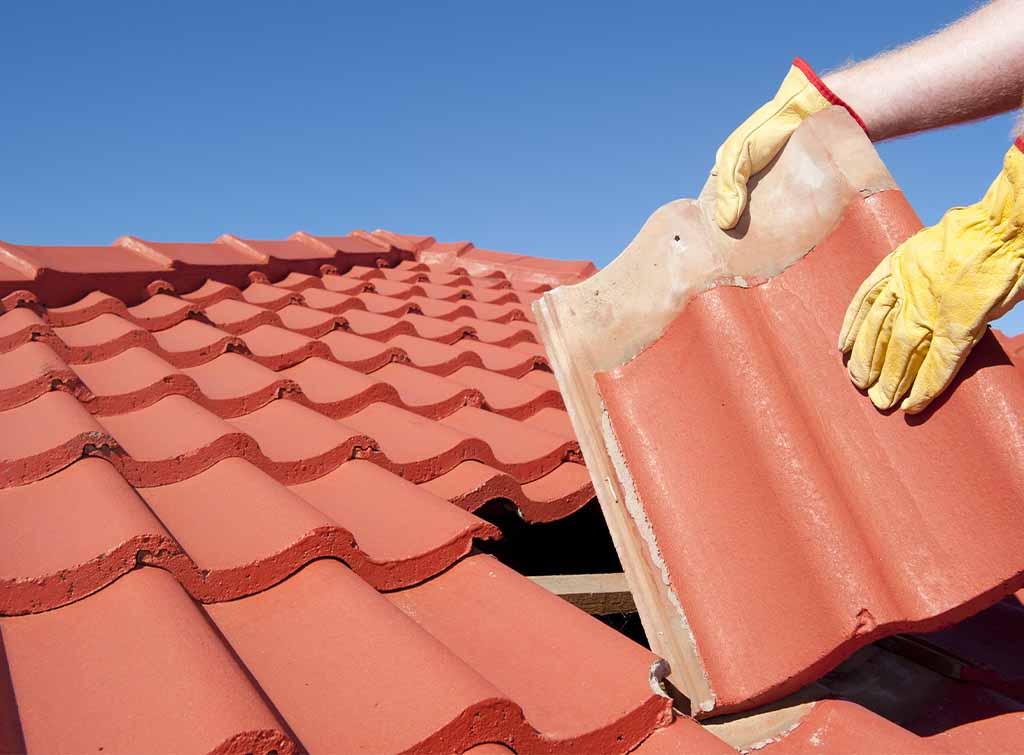
A Complete Guide for Homeowners
The roof is one of the most important protective elements of any property. It shields the building from rain, wind, changing temperatures, and everyday exposure to the weather. However, even a well-maintained roof can develop problems over time, particularly around the ridge tiles. Cracked, loose, displaced, or deteriorating ridge tiles can allow water to enter the roof structure and may become a safety concern if they become unstable.
For homeowners searching for ridge tile replacement slough , understanding the causes, warning signs, repair process, materials, and maintenance requirements can make it easier to deal with roof problems before they become more expensive. Ridge tiles are positioned along the highest point of a pitched roof, where they help protect the joint between two roof slopes. Because of their exposed position, they receive significant weather exposure throughout the year.
This guide explains what homeowners should know about replacing ridge tiles, how professionals assess the condition of a roof, what the replacement process generally involves, and why timely attention can help preserve the roof's performance. Whether a property has traditional clay tiles, concrete tiles, or a modern roofing system, a careful approach is important for achieving a durable result.
What Are Ridge Tiles and Why Are They Important?
Ridge tiles are specially shaped roofing tiles installed along the horizontal peak of a pitched roof. Their primary purpose is to cover and protect the roof ridge while creating a weather-resistant finish between the two roof slopes.
The role of ridge tiles
A properly installed ridge tile can help prevent rainwater from reaching vulnerable areas beneath the roof covering. It also contributes to the overall stability and appearance of the roof.
Ridge tiles can be secured using traditional mortar bedding, mechanical fixings, or a combination of modern installation methods. The appropriate approach depends on the roof design, existing materials, construction details, and condition of the surrounding tiles.
Because ridge tiles sit at the highest point of the roof, even a relatively small defect can become significant when exposed to strong winds and heavy rainfall. A loose tile may gradually move, while cracked mortar can create gaps that allow moisture to penetrate.
Why damaged ridge tiles should not be ignored
A minor crack or loose section may initially appear to be a cosmetic issue. However, deterioration can progress if water repeatedly enters the surrounding area. Freeze-thaw cycles, wind movement, and general weathering can also contribute to further damage.
In some circumstances, a loose ridge tile can fall from the roof. Apart from potentially damaging property below, falling roofing materials can create a serious hazard for people nearby. For this reason, visible ridge deterioration deserves prompt professional attention.
Common Signs That Ridge Tiles Need Attention
Recognising early warning signs can help homeowners arrange an inspection before a small roofing defect develops into a larger problem.
Cracks and visible damage
One of the clearest signs is a visible crack across a ridge tile. Hairline cracks may develop because of age or weather exposure, while larger fractures can indicate that replacement is necessary.
Discolouration, surface deterioration, or pieces of tile breaking away can also indicate that the material has reached the end of its useful service life.
Loose or displaced tiles
A ridge tile that has moved from its original position may no longer provide reliable protection. Movement can sometimes be associated with deteriorated mortar, inadequate fixing, or repeated exposure to strong winds.
Homeowners should avoid attempting to push or reposition a ridge tile themselves. Working at roof level without appropriate equipment and experience can result in falls or additional damage.
Damaged mortar joints
Traditional ridge installations often rely heavily on mortar. Over time, mortar can become brittle, cracked, loose, or detached from the underlying surface.
When mortar has deteriorated extensively, simply applying a new layer over the existing material may not provide a lasting solution. The old material may need to be removed and the ridge system assessed before appropriate repairs are completed.
Understanding the Ridge Tile Replacement Process
The exact procedure varies according to the property and roofing system. A professional inspection should always determine the most suitable method rather than relying on a standard approach for every roof.
For homeowners researching ridge tile replacement slough , the first stage should normally be a detailed assessment of the affected area.
Initial roof inspection
A roofing professional examines the ridge tiles, mortar, fixings, surrounding roof tiles, and underlying areas where accessible. The objective is to determine whether the issue is limited to one tile or whether deterioration affects a larger section.
An inspection can also reveal related problems, such as slipped roof tiles, damaged underlay, failing battens, or water-related deterioration.
Safe removal of damaged materials
If replacement is required, damaged ridge tiles are carefully removed. Existing mortar may also need to be taken away where it is loose or unsuitable for reuse.
Careful removal matters because forcing old materials away can damage neighbouring tiles or other components of the roof.
Preparation of the ridge
Before installing replacement materials, the ridge area is prepared. Depending on the roofing system, this may involve cleaning the surface, checking the ridge line, inspecting fixings, or preparing the area for a mechanical dry-fix system.
The preparation stage is important because the durability of a replacement depends not only on the new tile but also on the condition of the surface and supporting components.
Installation of replacement tiles
A suitable replacement ridge tile is then positioned and secured according to the roofing system being used. Traditional installations may involve mortar, while modern systems can incorporate mechanical fixings and dry-fix components.
The replacement should align correctly with the existing ridge and neighbouring tiles. Proper alignment is important for both weather resistance and the appearance of the completed roof.
Final inspection
Once the work is complete, the repaired area should be checked to ensure that the ridge tiles are secure and correctly positioned. Surrounding roof components should also be inspected for signs of damage that could affect the repair.
A professional approach focuses on the underlying cause rather than simply replacing the most obvious damaged tile.
Traditional Mortar Repairs Versus Modern Fixing Systems
There is no single installation method that is suitable for every roof. The correct choice depends on the roof's construction, existing materials, location, and condition.
Traditional mortar bedding
Mortar has been used for many years to secure ridge tiles. It can provide a solid finish when correctly prepared and installed. However, mortar can deteriorate as the roof ages, particularly when exposed to persistent moisture and temperature changes.
Where an existing roof was originally built with mortar-bedded ridge tiles, a professional may assess whether a compatible repair is appropriate or whether a different system would provide a more suitable long-term solution.
Dry-fix systems
Modern dry-fix systems can use mechanical components rather than relying primarily on mortar. Depending on the system, ridge tiles may be secured with screws, brackets, unions, or other purpose-designed components.
These systems can provide mechanical security and may reduce reliance on mortar. However, they still need to be installed correctly, using compatible components and following the manufacturer's requirements.
Choosing the appropriate method
Homeowners should not choose a fixing method solely because it is newer or more familiar. A professional assessment should consider the roof's construction, existing ridge tiles, ventilation requirements, exposure to weather, and compatibility of materials.
A suitable repair should integrate with the existing roof rather than creating unnecessary problems elsewhere.
How Much Does Ridge Tile Replacement Cost?
The price of roofing work can vary considerably because every property presents different circumstances. There is no universal cost for replacing a ridge tile in Slough.
Factors that affect the price
Several factors may influence the final cost, including:
-
Number of damaged ridge tiles
-
Type and size of ridge tile
-
Roof height and accessibility
-
Condition of existing mortar
-
Type of fixing system required
-
Need for scaffolding or access equipment
-
Damage to surrounding roof materials
-
Disposal of old roofing materials
-
Complexity of the roof design
-
Whether additional repairs are identified during inspection
A straightforward replacement of a single accessible tile may be very different from repairing an entire ridge where mortar has failed across a large section.
Why a proper inspection matters
A quotation based only on photographs may not reveal hidden defects. An on-site inspection can provide a clearer understanding of the roof's condition and help identify whether replacement is genuinely required.
Homeowners should also ensure that quotations clearly describe the proposed work, materials, access arrangements, and any relevant guarantees or workmanship provisions.
Why Local Conditions Matter in Slough
Slough properties experience changing weather conditions throughout the year, including rainfall, wind, temperature fluctuations, and periods of cold weather. Roofs are continually exposed to these elements, and ridge tiles are particularly vulnerable because of their elevated position.
Weather exposure and roof movement
Repeated wind exposure can place stress on ridge tiles and their fixings. If a tile is already cracked or poorly secured, further movement can worsen the problem.
Temperature changes can also affect roofing materials. Expansion, contraction, moisture, and freezing conditions can contribute to deterioration over time.
Property age and construction
Slough contains a wide range of residential properties with different construction styles and roofing materials. Older roofs may have traditional mortar-bedded ridge tiles, while newer properties may use modern mechanically fixed systems.
This variation means that roofing repairs should be approached according to the individual property rather than using a one-size-fits-all method. Local experience can be useful when identifying common construction characteristics and weather-related issues.
How to Choose a Roofing Professional
Selecting a suitable contractor is an important part of arranging roof repairs. Homeowners should look beyond price and consider the quality, transparency, and professionalism of the service.
Check experience and relevant work
Ask whether the contractor regularly works on pitched roofs and ridge tile repairs. Experience with the specific type of roofing system can be particularly useful.
A reputable professional should be able to explain the problem clearly, describe the proposed repair, and identify whether additional work is genuinely necessary.
Request a clear quotation
A written quotation should ideally explain what will be repaired or replaced and identify any significant additional costs that could arise.
Clear communication can reduce misunderstandings and gives the homeowner a useful record of the agreed scope of work. For local homeowners, Ab contractor can be considered when researching services for roof maintenance and repair requirements.
Ask about workmanship
It is reasonable to ask about previous roofing work, guarantees, insurance, and the materials being proposed. Homeowners should also be cautious of contractors who pressure them into immediate work without explaining the condition of the roof.
A professional inspection should be based on observable evidence rather than unnecessary alarm.
Preventing Future Ridge Tile Problems
Replacing a damaged ridge tile addresses an immediate problem, but regular roof maintenance can help identify future issues before they become serious.
Schedule periodic visual inspections
A homeowner can safely inspect the roof from ground level using binoculars where appropriate. Look for obvious signs such as displaced tiles, broken materials, gaps, or deteriorating mortar.
However, roof-level inspections should be left to trained professionals with appropriate safety equipment.
Keep gutters and drainage systems clear
Blocked gutters can cause water to accumulate in areas where it should drain away. Keeping roof drainage systems clear can help protect the wider roofing structure from unnecessary moisture exposure.
Address minor defects promptly
A small crack or loose section may be easier and less expensive to address than extensive deterioration. If a homeowner notices a change following severe weather, arranging an inspection can help establish whether any damage has occurred.
When Should You Replace Ridge Tiles Rather Than Repair Them?
Replacement is not always necessary for every minor defect. In some situations, repair may be appropriate. However, badly cracked, broken, extensively weathered, or unstable ridge tiles may be more suitable for replacement.
For those researching ridge tile replacement slough, the key consideration is the condition of the existing tile and the security of the entire ridge system.
Situations where replacement may be appropriate
Replacement may be considered when:
-
A ridge tile is broken into multiple pieces.
-
The tile has become structurally unstable.
-
Repeated repairs have failed.
-
The tile has severe weathering or deterioration.
-
The existing tile cannot be securely fixed.
-
A wider ridge repair requires compatible replacement materials.
The objective should always be to restore the roof's weather resistance and structural security rather than simply making the damage less visible.
Questions Homeowners Commonly Ask
Can one ridge tile be replaced?
Yes, in some circumstances an individual damaged ridge tile can be replaced. However, surrounding tiles and fixings should be checked to determine why the original tile failed and whether neighbouring sections are also deteriorating.
How long can ridge tiles last?
Their service life varies according to material, installation quality, exposure, maintenance, and the condition of the supporting roof system. Regular inspections can help identify deterioration before failure occurs.
Can I replace a ridge tile myself?
Roof work carries significant fall and material-handling risks. Unless someone has the appropriate professional training, equipment, and experience, roof-level repair should generally be handled by a qualified roofing professional.
Does replacing a ridge tile stop roof leaks?
If the ridge tile is the source of water entry, correcting the defect may resolve the problem. However, roof leaks can originate from several locations, including flashing, roof tiles, valleys, chimneys, and other junctions. A proper inspection is therefore important.
Should all ridge tiles be replaced together?
Not necessarily. The appropriate scope depends on their condition. If several ridge tiles and their bedding or fixings are deteriorating, repairing the complete affected section may be more appropriate than replacing isolated tiles.
Final Considerations for Homeowners
A damaged ridge tile should not be treated as an isolated cosmetic issue when there are signs of movement, cracking, missing mortar, or water penetration. Early assessment can help homeowners understand the cause of the problem and decide whether repair or replacement is appropriate.
When considering ridge tile replacement slough, focus on the condition of the complete ridge system rather than simply the visible damaged tile. Proper inspection, compatible materials, secure installation, and appropriate maintenance all contribute to a dependable roofing solution. For homeowners looking for professional assistance, Ab contractor can provide a point of reference when considering local roofing services and discussing the requirements of a particular property.

 Arabic
 French
 Spanish
 Portuguese
 Deutsch
 Turkish
 Dutch
Dutch
 Italiano
 Russian
 Romaian
 Portuguese (Brazil)
 Greek
Greek