

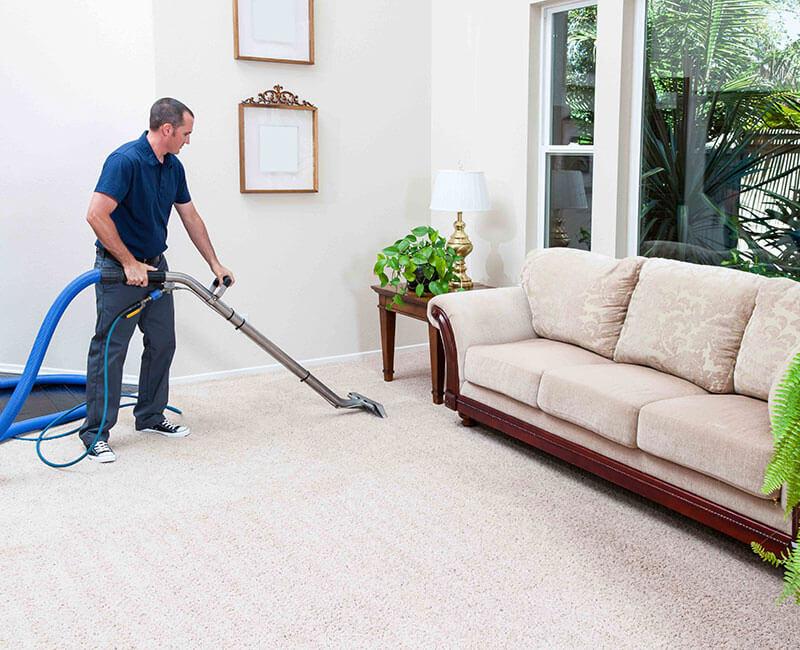
A Complete Guide for Cleaner, Healthier Workplaces
A clean commercial environment does more than create a good first impression. It supports a professional atmosphere, helps protect flooring investments, and contributes to a workplace that employees, customers, visitors, and clients can feel comfortable using every day. Among the many surfaces found in offices, retail stores, hospitality venues, schools, healthcare facilities, and other commercial properties, carpets require particular attention because they constantly collect dust, soil, moisture, food particles, and everyday debris.
For businesses looking for reliable Commercial Carpet Cleaning Lincoln, understanding how professional carpet care works can make it easier to establish an effective maintenance routine. Commercial carpets often experience considerably more foot traffic than residential flooring, meaning ordinary vacuuming may not be enough to remove deeply embedded contaminants. A planned cleaning programme can help preserve the appearance and condition of carpets while reducing the need for premature replacement.
Professional carpet maintenance should also be approached according to the type of premises, carpet fibre, level of traffic, and nature of the soiling. Instead of relying on a one-size-fits-all process, businesses can benefit from a practical cleaning strategy that combines routine maintenance with periodic deep cleaning.
Why Commercial Carpets Need Professional Care
Commercial flooring is exposed to repeated use throughout the working day. Employees may walk across carpeted areas hundreds of times, while entrances and reception spaces can receive even heavier traffic. Outdoor dirt can be carried indoors through shoes, and spills can introduce moisture, oils, dyes, and food residues into carpet fibres.
Heavy foot traffic changes carpet condition
The most obvious difference between residential and commercial carpet is the amount of traffic it receives. High-traffic pathways can gradually become darker or flattened because soil particles work their way into the fibres.
Regular vacuuming removes loose material from the upper layers, but some particles can become lodged deeper within the carpet. Over time, this can affect both appearance and texture. Professional cleaning helps address the material that routine maintenance cannot easily remove.
Entrances deserve particular attention
Entrance areas are among the most demanding sections of a commercial property. Rain, mud, dust, grit, and other outdoor particles can enter through doors and quickly spread into adjacent areas.
Using effective entrance mats, cleaning them regularly, and scheduling professional carpet care can reduce the amount of soil transferred into the building. This simple combination can make ongoing maintenance more manageable.
Spills should be handled promptly
Coffee, tea, soft drinks, food, cosmetics, ink, and other substances can leave visible marks. The longer a spill remains untreated, the greater the possibility that it will penetrate deeper into the carpet.
A sensible workplace cleaning policy should therefore include prompt spill response. Staff should avoid aggressive rubbing, which may spread the substance or damage fibres. Instead, excess liquid should generally be absorbed carefully before the affected area receives appropriate treatment.
What Professional Carpet Cleaning Can Address
Professional cleaning is not simply about making carpet look brighter. A suitable cleaning process can target different types of soil and residues that accumulate through normal commercial use.
Embedded dirt and dry soil
Fine particles can settle below the visible surface. When walked on repeatedly, these particles may act like abrasives against carpet fibres. This is one reason high-traffic sections can show wear more quickly than areas that receive less use.
A professional cleaning routine can help remove accumulated soil before it contributes to excessive dullness or premature fibre damage.
Stains and accidental spills
Different stains require different approaches. Water-based spills, greasy substances, pigments, and biological residues may not respond to the same treatment.
Professional technicians can assess the affected carpet and select a cleaning method based on the fibre, stain characteristics, and condition of the flooring. This targeted approach is preferable to randomly applying household products that may leave residue or affect carpet colour.
Unpleasant odours
Carpet can retain odours when substances penetrate below the surface. Food, drinks, moisture, and other materials can contribute to persistent smells, particularly in areas where ventilation is limited.
Odour management begins with identifying the source rather than simply covering the smell with fragrance. Proper cleaning can address the material contributing to the odour, while good ventilation and routine maintenance can help prevent recurrence.
How Often Should a Business Clean Its Carpets?
There is no universal schedule that works for every commercial property. The appropriate frequency depends on traffic levels, business type, carpet material, entrance conditions, occupancy, and the presence of children, pets, food service, or other sources of heavy soiling.
Low-traffic commercial areas
Small offices with limited daily foot traffic may require less frequent deep cleaning when regular vacuuming and spot treatment are carried out correctly.
However, lower traffic does not mean carpet should be neglected. Dust can accumulate even when visible soiling is minimal, so periodic professional assessment remains useful.
Medium-traffic workplaces
Typical offices, professional practices, and service businesses may benefit from planned deep cleaning throughout the year. Reception areas, corridors, meeting rooms, and entrances may require more attention than private offices.
A maintenance plan can divide the property into zones so that heavily used areas receive additional care without unnecessarily disrupting the entire workplace.
High-traffic premises
Retail environments, hotels, schools, restaurants, public buildings, and busy commercial facilities generally require a more structured approach. Heavy traffic can cause visible wear and faster soil accumulation.
For these properties, Commercial Carpet Cleaning Lincoln can form part of a broader flooring maintenance programme that combines daily vacuuming, immediate spot treatment, periodic deep cleaning, and regular inspections.
Common Professional Carpet Cleaning Methods
Different commercial carpets respond differently to cleaning methods. A professional assessment should take into account the carpet's construction, fibre type, backing, condition, and level of soiling.
Hot water extraction
Hot water extraction is commonly used for deep cleaning because it combines a cleaning solution with agitation or pressure before extracting moisture and loosened soil.
When performed correctly, this process can remove deeply embedded material that ordinary vacuuming cannot reach. Drying time depends on factors such as carpet construction, humidity, airflow, equipment, and the amount of moisture used.
Low-moisture cleaning
Low-moisture approaches can be useful when a business needs a shorter drying period or when cleaning must take place with minimal disruption.
Depending on the method, cleaning compounds or specialised equipment can be used to loosen and collect soil. The suitability of this approach depends on the carpet and the cleaning objective.
Encapsulation cleaning
Encapsulation systems use specialised cleaning products that surround or encapsulate soil as the carpet dries. The resulting residue can then be removed through subsequent vacuuming.
This method may be appropriate for maintenance cleaning in certain commercial environments, particularly where rapid turnaround is important.
Choosing the right method
The most appropriate process should be selected according to the specific flooring rather than marketing claims about a particular technique. A professional assessment can help determine whether deep extraction, low-moisture maintenance, encapsulation, or another approach is suitable.
Benefits of Maintaining Commercial Carpets
A consistent maintenance programme can provide several practical advantages for businesses.
A more professional appearance
Clean carpets contribute to the overall visual condition of a property. Reception areas, corridors, meeting rooms, and customer-facing spaces can influence how visitors perceive the organisation.
Carpet that is visibly stained or heavily soiled can make an otherwise well-maintained premises appear neglected. Consistent cleaning helps businesses maintain a more polished environment.
Better protection for flooring investments
Commercial carpet can represent a significant investment. Replacing it because of preventable deterioration can be costly and disruptive.
Routine vacuuming, prompt stain treatment, protective entrance measures, and professional deep cleaning can help preserve carpet condition and potentially extend its useful service life.
Reduced disruption from unexpected cleaning problems
A planned maintenance schedule makes it easier to identify problems before they become major issues. Instead of waiting until carpets look severely soiled, businesses can monitor high-risk areas and address them at appropriate intervals.
This proactive approach can also make budgeting easier because cleaning becomes part of routine facilities management rather than an emergency response.
A more comfortable workplace
Clean flooring contributes to the overall sense of cleanliness within a commercial building. While carpet cleaning is only one part of workplace hygiene, it can support a more pleasant environment for employees and visitors.
Businesses should combine carpet care with regular cleaning of hard floors, furniture, touchpoints, washrooms, ventilation areas, and other relevant surfaces.
How Businesses Can Prepare for Carpet Cleaning
Preparation can make professional cleaning more efficient and reduce disruption.
Clear movable items
Where practical, businesses should remove small furniture, boxes, cables, personal belongings, and other objects from the carpeted area.
Larger furniture may need to remain in place, depending on the cleaning plan. Staff should follow the cleaning provider's instructions before moving heavy items.
Protect important documents and equipment
Sensitive paperwork, electronic equipment, and valuable objects should be kept away from areas scheduled for cleaning whenever practical.
Businesses should also identify any equipment that requires special handling so the cleaning team can take appropriate precautions.
Plan around business operations
Commercial carpet cleaning does not always need to happen during peak working hours. Depending on the property and cleaning method, businesses may schedule work during evenings, weekends, quieter periods, or planned closures.
The goal is to create a cleaning schedule that maintains carpet condition without unnecessarily interrupting customers or employees.
What to Look for in a Commercial Carpet Cleaning Provider
Choosing a cleaning company should involve more than comparing prices. Businesses should consider the provider's experience, communication, cleaning approach, equipment, insurance, service flexibility, and understanding of commercial environments.
Experience with commercial properties
Commercial premises have different requirements from homes. A provider should understand issues such as high-traffic zones, business opening hours, access restrictions, drying requirements, and workplace safety considerations.
A company experienced in commercial environments can also help develop a practical maintenance schedule instead of treating every job as an isolated cleaning visit.
Clear communication
A professional service should explain what the cleaning process involves, what preparation is required, expected drying considerations, and any limitations related to stains or carpet condition.
Clear communication helps businesses establish realistic expectations and avoid misunderstandings.
Transparent service information
Businesses should know what is included in the quoted service. Depending on the provider, pricing may consider carpeted area, soil level, furniture movement, stain treatment, accessibility, and the cleaning method required.
A clear quotation can make it easier to compare services based on overall value rather than price alone.
Attention to carpet condition
Professional carpet care should consider the existing condition of the flooring. Some stains may have permanently altered carpet fibres or dyes, while worn areas may not return to their original appearance through cleaning alone.
A responsible provider should communicate such limitations rather than promising unrealistic results.
Building a Long-Term Carpet Maintenance Plan
One-off cleaning can improve carpet condition, but a long-term maintenance programme is generally more practical for businesses that want consistent results.
Combine daily and professional cleaning
Daily or frequent vacuuming should form the foundation of commercial carpet care. It removes loose soil before it becomes embedded.
Professional cleaning then complements routine maintenance by addressing deeper accumulation and specific problem areas.
Monitor high-traffic zones
Businesses should pay special attention to entrances, reception desks, corridors, stairways, break rooms, and other areas that experience repeated foot traffic.
These zones may require additional vacuuming, more frequent spot treatment, stronger entrance matting, or more frequent professional cleaning.
Keep records
A simple maintenance record can include cleaning dates, problem areas, stain treatments, observations, and recommended follow-up dates.
For larger properties, these records can support facilities management and help identify recurring problems.
Why Local Expertise Matters
Local businesses often have practical considerations that are specific to their surroundings. Weather, seasonal moisture, traffic patterns, property types, and local business activity can all affect how quickly carpets become soiled.
When considering Commercial Carpet Cleaning Lincoln, businesses can benefit from choosing a provider that understands the needs of local commercial properties and can arrange services around operational requirements.
Local service also makes communication and scheduling more straightforward. Businesses can discuss access arrangements, recurring cleaning requirements, high-traffic areas, and specific concerns before work begins.
Questions to Ask Before Booking
Before arranging a commercial carpet cleaning service, property managers and business owners can ask several useful questions.
Is the cleaning method suitable for the carpet?
Different carpet fibres and constructions can have different cleaning requirements. Asking about the proposed method can help prevent unsuitable treatment.
How long will the carpet take to dry?
Drying time can affect business operations. Ask what factors may influence drying and whether ventilation or airflow will be required after cleaning.
Are stain treatments included?
Some providers include basic spot treatment, while specialist stain removal may require additional work. Confirming this beforehand avoids confusion.
Can cleaning be scheduled outside business hours?
For customer-facing or busy premises, after-hours service may reduce disruption. Availability varies by provider, so this should be discussed during scheduling.
Is ongoing maintenance available?
Businesses with recurring needs may find a scheduled maintenance programme more convenient than repeatedly arranging individual appointments.
A Practical Approach to Cleaner Commercial Flooring
The most effective carpet maintenance strategy is usually consistent rather than reactive. Businesses can begin by identifying high-traffic areas, improving entrance protection, establishing a vacuuming routine, responding quickly to spills, and arranging periodic professional cleaning.
It is also important to recognise that carpet cleaning is not a substitute for general workplace cleanliness. A healthy commercial environment depends on an integrated cleaning routine covering floors, furniture, high-touch surfaces, washrooms, kitchens, entrances, and ventilation-related areas where appropriate.
For businesses researching Commercial Carpet Cleaning Lincoln, the key consideration is therefore not simply how quickly a carpet can be made to look clean. The more useful question is how a sustainable maintenance programme can protect the flooring, reduce avoidable deterioration, minimise disruption, and support a consistently professional workplace.
Conclusion
Commercial carpet care is an important part of effective property maintenance. High foot traffic, outdoor soil, spills, dust, and everyday workplace activity can gradually affect carpet appearance and condition. While regular vacuuming remains essential, professional deep cleaning can provide additional support by addressing accumulated soil and specific problem areas.
The right approach depends on the building, carpet type, traffic level, cleaning requirements, and operating schedule. Businesses can achieve better long-term results by combining routine maintenance with planned professional cleaning, paying particular attention to entrances and high-use zones, and selecting cleaning methods appropriate for their flooring.
For businesses seeking dependable Commercial Carpet Cleaning Lincoln, a thoughtful maintenance programme can help maintain attractive commercial spaces while protecting the value of existing flooring. Working with a professional local provider such as Olive Cleaning Services can make it easier to establish a cleaning routine that fits the property's practical requirements. Olive Cleaning Services can also help businesses approach carpet maintenance as an ongoing part of facilities care rather than an occasional response to visible dirt. By focusing on practical cleaning, clear communication, appropriate methods, and consistent maintenance, businesses can create cleaner and more welcoming commercial environments with Olive Cleaning Services.

 Arabic
 French
 Spanish
 Portuguese
 Deutsch
 Turkish
 Dutch
Dutch
 Italiano
 Russian
 Romaian
 Portuguese (Brazil)
 Greek
Greek